Crewe, the railway town, and where the Railwaymen come from
Crewe grew up around its station, rather than the other way round. Today, the name brings to mind a major junction on Britain's railway network, but also football and a club whose nickname tells a story of its own. Where did the Railwaymen come from, and what connects them to the railway? The answer lies in the story of a station opened in 1837 and the decisions of the company that built a works and a town here.
Crewe station, where the story starts
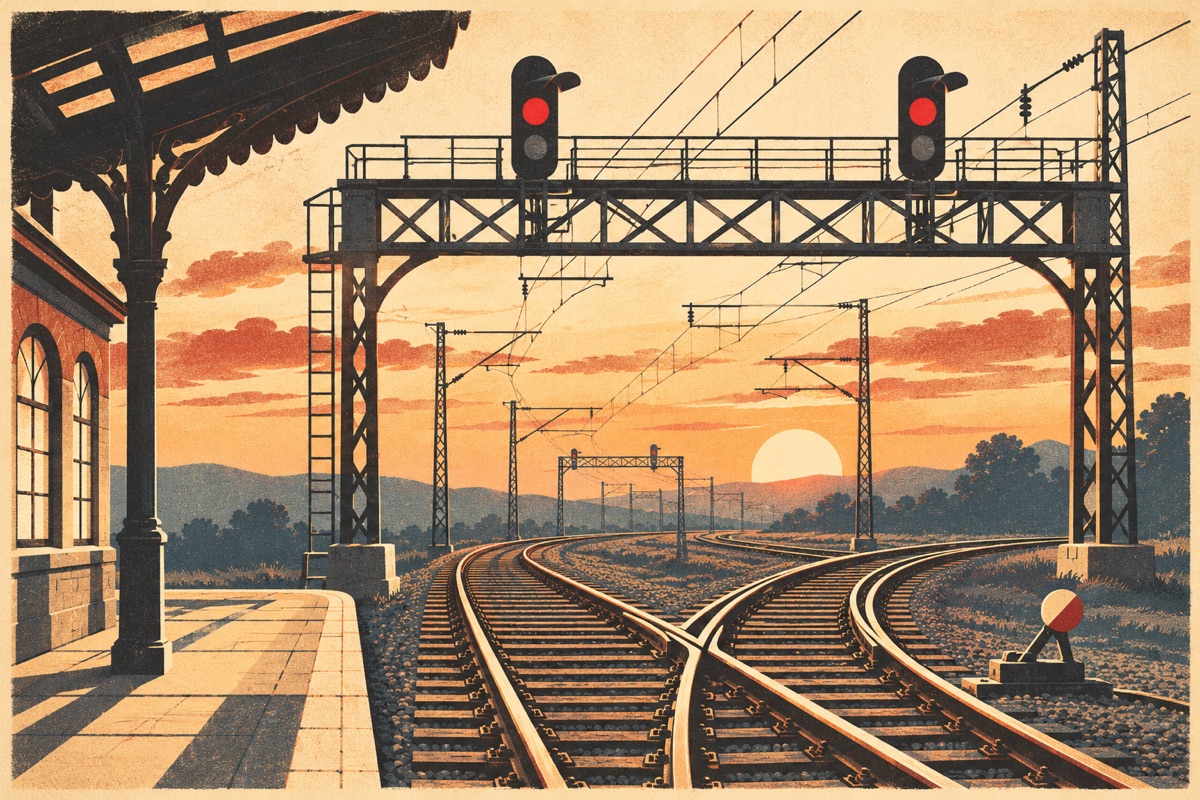
Crewe station opened on 4 July 1837 on the Grand Junction Railway. Its historical significance is easy to understand when you consider the role it went on to play in the network. What began as a stop on a railway line gradually became a centre with a character of its own.
The relationship between station and town has an unusual twist. The station gave the town its name, yet remained outside the borough until the late 1930s. For many years, the building from which the town took its name stood beyond the administrative boundaries of the settlement that had grown up beside it. It is a reminder that the railway came first and the town followed.
Why is Crewe a railway junction?
Today, Crewe is a major junction on the West Coast Main Line. Lines run from here to Manchester and North Wales, as well as to Stoke-on-Trent and Shrewsbury. These connections make the station a hub for rail traffic, with trains heading off in several directions.
The station's twelve platforms and fourteen tracks give a sense of its scale. A junction's importance, however, depends on more than the number of tracks: what matters is how they connect a major trunk route with the lines branching off it. Those connections make Crewe much more than a stop along the way.
Crewe Works and the town built by a company
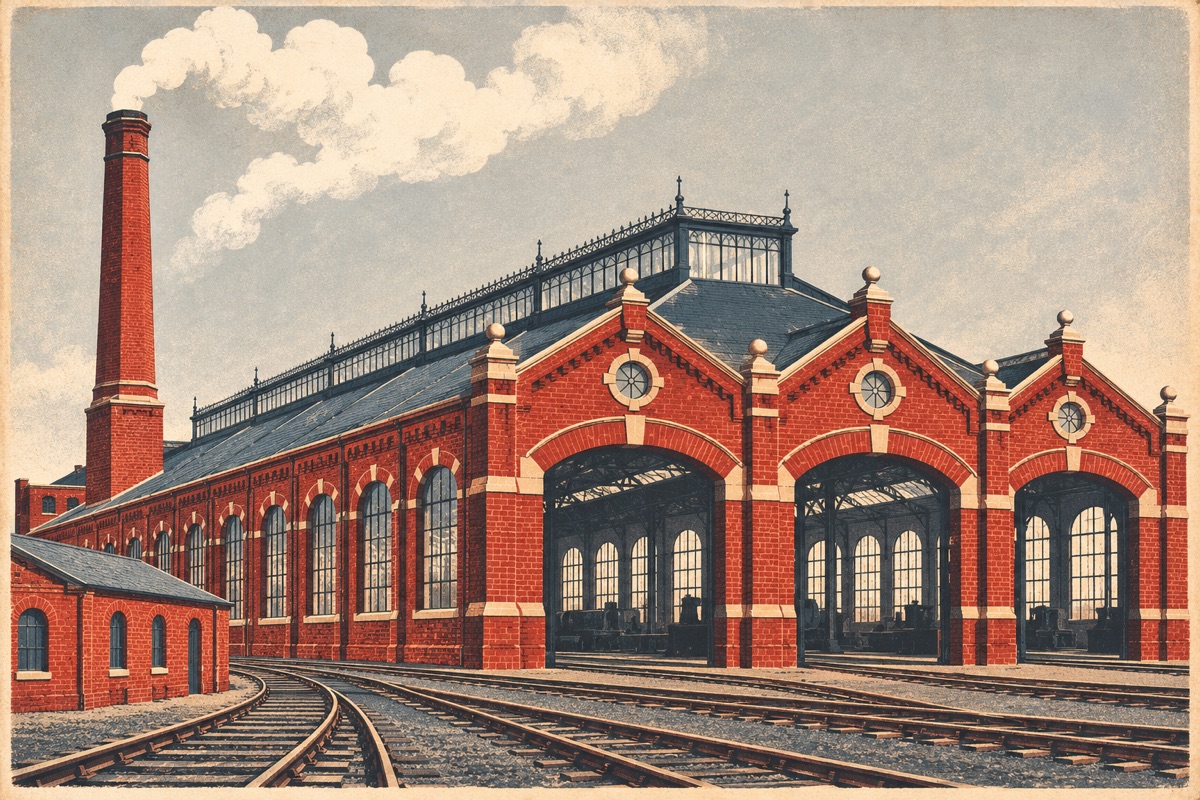
Crewe's growth gathered pace after the station opened. In 1842 the Grand Junction Railway moved its locomotive works from Edge Hill in Liverpool to Crewe. The move transformed the place, bringing a large industrial works to what had been little more than a stop on the line. Crewe Works attracted workers, and with them came the need for homes, streets and services.
The company met those needs itself, building a town to the north of the works for its workforce and management. This was a planned response to industrial demand, rather than the gradual expansion of a village. The works, tracks and housing all belonged to the same company, which ensured they functioned together.
Crewe is therefore still described as a place where station, works and homes formed a single whole. In a town built this way, everyday life and railway work were closely intertwined. That connection helped shape Crewe's later identity, including its sporting traditions.
Where do the Railwaymen come from?
Crewe's football club is known as The Railwaymen. The nickname reflects the town's railway connections and captures something of its wider identity. You need know little about the club to understand it: knowing Crewe is enough. The club is also known as The Alex, giving supporters and commentators two familiar names to use, one with an unmistakable railway connection.
The club plays in red shirts and white shorts, a kit worn since the late 1890s. Those enduring colours are another example of the strength of tradition in Crewe. Like the works and the station, they connect the town's past with its present.
Gresty Road beside the station
The ground at Gresty Road stands next to the railway station, making it easy for supporters to travel to matches. The location has symbolic as well as practical significance: with ground and station side by side, the Railwaymen nickname is written into the town's geography. Fans arriving by train have only a short journey to the ground, keeping the railway part of the matchday experience as well as the club's name.
What to remember
Crewe's history as a railway town is straightforward but distinctive. First came the station, opened in 1837, then the works, which moved here in 1842, followed by the settlement the company built for its workers and managers. The Railwaymen nickname is a fitting legacy, linking football with the town's industrial past in a single word. Read on to discover more of a history in which railway and football have always run side by side in Crewe.